
Why Palate Mechanics Beat Aromatic Guesswork
Blind tasting becomes more reliable when aroma is treated as evidence rather than a verdict. Aromas are valuable, but they are also vulnerable to suggestion, expectation, glass shape, serving temperature, fatigue, and confirmation bias. Once a taster thinks “Cabernet” or “warm-climate Syrah,” the mind begins selecting supporting details and overlooking contradictions. A familiar aroma can then become an attractive story rather than a secure observation.
The palate offers a more stable starting point. Acidity produces salivation, tannin creates friction and grip, alcohol contributes weight and warmth, and sugar changes viscosity and the apparent density of fruit. These sensations are not perfectly objective, and individual sensitivity varies, but they are physical responses that can be tested, compared, and recorded. Formal tasting traditions provide a useful framework, and this overview of wine tasting helps place structured sensory evaluation in context.
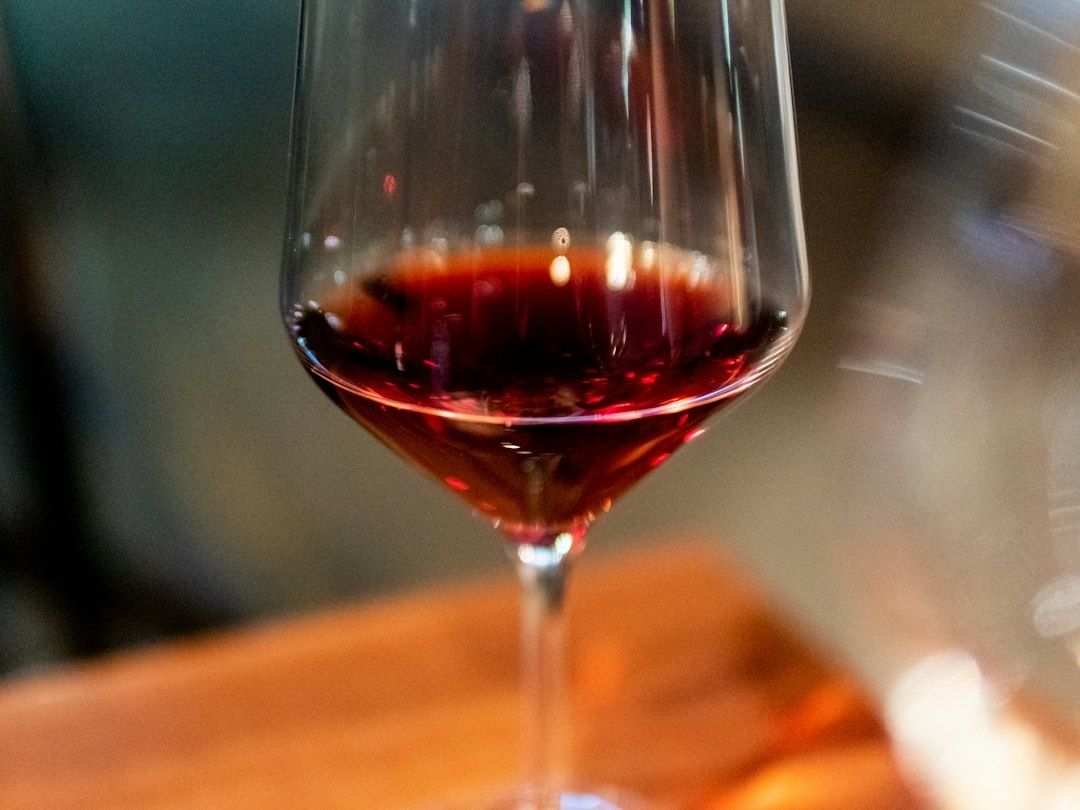
The key advantage is deductive. High acidity with moderate alcohol may point toward a cooler or moderate climate, while high alcohol, softer acidity, and generous body suggest greater ripeness or a warmer growing environment. Firm, drying tannin may narrow the field further by indicating grape variety, skin and seed extraction, oak influence, or the maturity of the phenolic material. Structure does not identify every wine by itself, but it gives blind tasting a repeatable spine before volatile aromas enter the discussion.
Calibrating the Core Physical Components
Calibration begins by separating what the wine does from what the wine reminds you of. Acidity is best measured through the persistence and intensity of salivation, particularly along the sides and underside of the tongue. A wine with high acidity makes the mouth replenish saliva quickly and can leave the finish feeling narrow, energetic, or sharply defined. Do not confuse sour fruit, such as lemon or cranberry, with acidity alone. Fruit flavor can suggest acidity, but the salivary response is the more useful physical marker.
Tannin is a tactile sensation rather than a flavor. It can make the gums, inner cheeks, and tongue feel dry, rough, puckered, or lightly abrasive. Assess both quantity and quality. High tannin may be forceful, but it can also be fine and polished. Coarse tannin may feel grainy, while immature or heavily extracted tannin can create a pronounced grip that remains after the wine is spat out. Phenolics are central to color, texture, and aging potential, and the GuildSomm guide to phenolics explains why their effects extend well beyond simple dryness.
Alcohol reveals itself through several combined sensations. It can increase perceived body, make the wine feel broader or more viscous, and produce a genuine warming sensation in the throat and chest after swallowing. Warmth alone is not proof of high alcohol, because spicy oak, high acidity, and serving temperature can confuse the impression. Residual sugar, meanwhile, creates viscosity at the front of the palate and can make fruit seem denser, rounder, and more concentrated. Ripeness can taste sweet even when a wine is technically dry, so residual sugar must be judged through tactile weight and finish rather than fruit character alone.
| Component | Primary physical marker | Useful blind-tasting question |
|---|---|---|
| Acidity | Saliva and mouthwatering | How quickly and intensely does the mouth refresh itself? |
| Tannin | Dryness, grip, and friction | Where does the texture cling, and is it fine or coarse? |
| Alcohol | Weight and warmth | Does the wine feel hot after swallowing, or merely full? |
| Residual sugar | Front-palate viscosity | Is the roundness caused by sugar, ripe fruit, or both? |
For a plain-language introduction to tasting procedure and controlled practice, wine tasting for beginners can help separate texture, flavor, preparation, and personal bias. The aim is not to memorize isolated definitions. It is to build a sensory reference library through repeated comparison.
The Step by Step Diagnostic Sequence on the Palate
A fixed sequence prevents one dramatic feature from dominating the conclusion. Use a small sip, move it across the entire mouth, and pay attention to what happens at contact, during movement, and after swallowing or spitting. The formal WSET approach also treats sweetness, acidity, tannin, alcohol, body, flavor intensity, texture, and finish as distinct observations rather than one blended impression.
- Initial contact. Check for sweetness before interpreting fruit. Does the wine feel immediately rounded and viscous at the front of the palate, or does it feel dry despite ripe fruit flavors? Record sweetness separately from perceived ripeness.
- Salivary response. Track how quickly the mouth waters and how long that response lasts. Consider total acidity, not just a sharp first impression. High acidity can be crisp, linear, or juicy, depending on body and flavor concentration.
- Gum grip and tannin. Notice whether the wine creates fine dust, chalky drag, coarse grain, or strong puckering. Assess where the grip appears and whether it becomes more pronounced with air and repeated movement.
- Warmth and viscosity. After swallowing or spitting, evaluate the length of the warmth and the wine”s weight. A broad, hot finish suggests elevated alcohol, but full body may also come from sugar, extract, glycerol-like texture, or concentrated fruit.
Only after these stages should aroma and flavor be used to refine the hypothesis. This order does not dismiss the nose. Smell remains essential for identifying fruit profile, oak, fermentation character, and development. It simply prevents a recognizable aroma from overriding contradictory structural evidence. If the nose suggests a cool-climate variety but the palate shows very high alcohol, low acidity, and soft tannin, the contradiction deserves investigation rather than concealment.
Deducing Climate and Grape Thickness from Texture
Structure can indicate growing conditions because climate influences ripeness, sugar accumulation, acidity, phenolic development, and harvest decisions. High acidity combined with modest alcohol often supports a cool-to-moderate climate hypothesis, although altitude, picking date, vine material, acid adjustment, and cellar technique can produce similar results. The important point is not to convert one sensation into one location. Instead, assemble several aligned observations and assign a confidence level.
Elevated alcohol with soft acidity and generous body is more consistent with a warm Mediterranean or warm continental environment, particularly when the fruit appears ripe and the finish feels broad. A study of Grenache maturity in the southern Rhône used long-term data on potential alcohol, total acidity, pH, berry weight, phenology, and climate indicators, demonstrating how closely grape composition is connected to environmental conditions and seasonal development. The Grenache maturity study also shows why climate deductions should remain nuanced: rainfall, radiation, wind, humidity, and evapotranspiration can matter alongside temperature.
Tannin can help estimate grape thickness, but it also reveals winemaking choices. Thick-skinned varieties or fruit with substantial seed and skin phenolics may produce deeper color and firmer structure, especially when extraction is significant. Fine, chalky tannin may indicate ripe phenolics, careful extraction, or both. Stem inclusion can add a distinctly leafy, dry, or angular form of grip, while extended maceration, new oak, and fermentation temperature can alter the final texture. Use the following contrasts as prompts rather than rigid rules:
- High acid and moderate alcohol: consider cooler or moderate conditions, earlier picking, high elevation, or deliberate acid retention.
- High alcohol and soft acid: consider warm conditions, later harvest, lower natural acidity, or a deliberate full-bodied style.
- Fine, chalky grip: consider ripe tannin, gentle extraction, or a texture shaped by soil and winemaking together.
- Coarse, drying grip: consider less mature phenolics, aggressive extraction, seed contribution, or heavy oak influence.
- Herbal, angular stem sensation: consider whole-cluster or stem inclusion, while checking that the impression is not simply green fruit or oak.
In practice, variety deductions should come from combinations. A wine with high acidity, medium alcohol, firm but fine tannin, and a relatively narrow body supports a different set of hypotheses from one with low acidity, high alcohol, soft tannin, and pronounced viscosity. No single marker proves grape or origin, but the pattern can eliminate weak possibilities before aroma creates distraction.
Palate Calibration Drills for Solo Practice
Calibration improves when one component is changed while the others remain as constant as possible. A simple home exercise uses a neutral base wine or water and carefully prepared comparison samples. Cream of tartar dissolved in water can provide an acidity reference, black tea can demonstrate drying tannin, cream can illustrate viscosity, and a measured amount of neutral spirit can demonstrate alcohol warmth. These are sensory demonstrations, not recipes for chemically reproducing wine, so small quantities and responsible handling are essential. Never taste concentrated alcohol directly, and avoid making samples so extreme that they train distortion rather than recognition.
Build a grid with low, medium, and high impressions for acidity, tannin, sweetness, and alcohol. Taste samples in random order, record sensations before discussing them, and repeat the exercise on another day. A professional component-tasting format can be useful as a model because it isolates acid, tannin, sugar, and alcohol through manipulated wines. For a practical solo routine, use classic benchmarks such as a high-acid Riesling, a tannic young Cabernet Sauvignon, a softly textured low-acid red, and a wine with noticeable residual sugar. The purpose is contrast, not memorization of brand or region.
- Taste first without looking at the wine, using opaque black glasses or a clean covering that conceals color.
- Take notes on sweetness, salivation, tannin location, warmth, viscosity, body, and finish before naming aromas.
- Reveal the wines only after the structural ranking is complete.
- Compare the written observations with the known samples and identify one missed marker rather than trying to explain every error.
- Repeat the same flight with a partner when possible, since differing perceptions expose unclear vocabulary and personal sensitivity.
Removing visual and aromatic influence is especially useful for serious tasters. Black glassware can prevent color from pushing the mind toward a red or white wine assumption, while a brief blindfold exercise can demonstrate how much visual expectation contributes. The goal is not to eliminate sensory information permanently. It is to learn which conclusions remain valid when the most suggestive cues are removed.
Put Physical Markers First on Your Next Pour
Reliable blind tasting does not require perfect aroma recognition. It requires disciplined observation. Salivation, astringency, viscosity, warmth, body, and finish create a form of palate architecture that is more stable than a fleeting association with blackberry, violet, pencil shavings, or wet stone. Once those markers are recorded, aroma can be brought back in as a confirming or challenging line of evidence.
This discipline is useful in examinations, professional service, retail selection, journalism, and recreational tasting. It reduces the risk of forcing a wine into a familiar category and encourages observation before conclusion. For the next three glasses, postpone variety and origin guesses. Record only sweetness, acid response, tannin texture, alcohol warmth, viscosity, and finish. Then build the most likely climate and style hypothesis from those physical responses. The result may not always identify the bottle, but it will make the reasoning clearer, more consistent, and easier to improve.

