
Why Acidity Defines the Structure and Life of Wine
Acidity is the energetic spine of wine. Without it, fruit can seem heavy, sweetness can feel excessive, and alcohol can become warm and loose on the palate. With sufficient acidity, the same wine may taste focused, refreshing, and capable of developing in bottle. The effect is not simply “sourness.” Acidity shapes the line of a wine from the first contact with the tongue through the finish, helping aromas feel brighter and giving the wine a sense of direction.
Your perception of acidity involves both taste and touch. Hydrogen ions stimulate sourness, while the mouth responds with salivation, especially along the sides of the tongue. That saliva response can make a wine seem energetic or mouthwatering. A tightening sensation, a clean finish, and a persistent urge to take another sip are practical clues that acid is carrying the wine. Learning to recognise those cues turns abstract chemistry into useful tasting information, including judgements about balance, structure, and likely ageability.
The Chemistry of Primary Grape Acids
Tartaric and malic acids are the principal organic acids formed naturally in grapes. Tartaric acid is particularly important because grapes contain it in unusually significant quantities compared with many other fruits. It contributes a firm, direct form of acidity and remains relatively stable during ripening. Malic acid is also produced in the berry, but its concentration changes more dramatically as grapes mature.
Temperature is central to that change. In warm conditions, grape respiration consumes malic acid more rapidly, so fruit harvested from hot regions may have lower malic acidity even when sugar levels are high. Cool nights and cooler growing seasons tend to preserve more malic acid. This helps explain why a cool-climate wine can show a sharper, more linear profile, while a warm-climate wine may feel softer unless the winemaker manages harvest timing, blending, acidification, or fermentation carefully.
Organic acids do more than create sourness. They interact with sugars, aromas, minerals, bitterness, and other taste sensations. A detailed review titled Recent Progress in the Study of Taste Characteristics and the Nutrition and Health Properties of Organic Acids in Foods explains how acid composition influences flavour, preservation, and sensory quality across foods. In wine, the useful distinction is between titratable acidity and pH. Titratable acidity estimates the total quantity of acid available to react with a base, while pH reflects the concentration and activity of hydrogen ions. They are related, but they do not move in a predictable one-to-one relationship.
- Titratable acidity: a broad measure associated with the total acid reserve and often with the intensity of sourness.
- pH: a measure of active acidity that strongly affects microbial stability, sulfur dioxide effectiveness, oxidation, colour, and chemical reactions.
- Sensory balance: the way acidity interacts with sugar, alcohol, tannin, extract, and aroma rather than acting alone.
That distinction matters at the tasting table. A wine can have a relatively high titratable acidity without seeming aggressively sharp if sugar, fruit concentration, or texture provides counterweight. Conversely, a wine with a lower total acid reading may taste piercing if its pH and acid composition create a pronounced sourness. Potassium bitartrate precipitation during cold stabilisation can also change both pH and titratable acidity, which is one reason laboratory measurements and sensory impressions should be interpreted together.
Comparing Tartaric, Malic, and Lactic Acids on the Palate
Tartaric acid usually gives a wine precision and vertical shape. It can feel clean, firm, and sharply defined, particularly when little residual sugar or oak-derived softness is present. Malic acid is commonly associated with a green-apple or crisp-fruit impression. In a very cool-climate wine, it may appear as a brisk, almost electric bite. Lactic acid, by contrast, is produced primarily through malolactic fermentation, when lactic acid bacteria convert malic acid into lactic acid and carbon dioxide. The result is generally a softer, rounder sensation.
The change is not simply a switch from “strong acid” to “weak acid.” Malolactic fermentation also alters the wine”s aromatic and textural profile, often reducing the hard edge associated with malic acid and raising pH. The overall effect depends on grape variety, alcohol, residual sugar, lees contact, oak, and the wine”s original composition. For a useful overview of how wine acids, pH, and total acidity fit together, consult this overview of acids in wine. It is best used as a reference point, while tasting remains essential because numerical values do not fully predict mouthfeel.
| Acid | Typical origin | Common sensory impression | Practical tasting clue |
|---|---|---|---|
| Tartaric | Naturally formed in grapes | Firm, precise, clean, focused | Creates a straight, energetic line through the palate |
| Malic | Naturally formed in grapes, especially noticeable in less ripe fruit | Green apple, brisk, sharp, vibrant | Prompts strong salivation and a crisp, sometimes angular finish |
| Lactic | Produced during malolactic fermentation | Rounder, softer, creamier | Feels less pointed and may support a broader texture |
Step-by-Step Palate Training to Isolate Wine Acids
Acid identification becomes easier when the palate has a reference scale. Use still water as the neutral baseline, then prepare separate, very dilute solutions with food-grade cream of tartar, malic acid, and lactic acid if available. Culinary acid powders can be intense, so begin with tiny amounts in identical glasses of water and label every sample. The objective is not to reproduce wine exactly, but to notice how different acids alter sourness, salivation, and the shape of the finish.
Focus on the timing of the sensation. Some samples appear immediately sharp, while others seem broader or less angular. Rinse with water between samples and avoid tasting on an empty stomach or immediately after strongly flavoured food. Because wine acidity is moderated by alcohol, sugar, phenolic compounds, and aroma, isolated solutions are training tools rather than direct replicas of wine.
- Establish the baseline: Taste neutral water, noting the absence of sourness, tension, and increased salivation.
- Compare acid references: Taste carefully diluted samples one at a time, recording whether each sensation is pointed, green-fruited, broad, soft, or lingering.
- Track the saliva response: Notice whether salivation begins at the sides of the tongue, under the tongue, or throughout the mouth, and how long it lasts.
- Taste an unoaked Chablis: Look for firm, mineral-associated precision and a taut finish, while remembering that “minerality” is a broad sensory term rather than proof of a mineral acid.
- Taste a cool-climate Riesling: Identify the combination of brisk acidity, citrus or green-fruit aromas, and any residual sugar that may soften the impression.
- Taste a malolactic-fermented Chardonnay: Compare its rounder texture and potentially creamy impression with the sharper wines, separating acid softness from oak, lees, and alcohol.
Do not rely only on the front of the tongue. Sourness is a taste, but the most useful evidence often arrives as touch and aftertaste. Notice how quickly the wine makes the mouth water, whether the finish contracts or expands, and whether fruit remains vivid after swallowing. Tasting literature also emphasises that wine perception combines taste, retronasal aroma, and tactile signals. A wine can therefore seem “more acidic” because of citrus aroma, low alcohol, or a lean texture even when its laboratory acidity is not unusually high.
How Acidity Protects and Evolves Wine in the Cellar
Low pH helps wine resist microbial spoilage and slows several unwanted chemical reactions. It also improves the effectiveness of molecular sulfur dioxide, an important preservative used to limit oxidation and microbial activity. As pH rises, a smaller proportion of sulfur dioxide remains in its most effective molecular form, so higher-pH wines require more careful management. The Australian Wine Research Institute”s guidance on acidity and pH explains why these measurements influence stability, colour, tartrate balance, and winemaking decisions.
Acidity does not make a wine immortal. Storage temperature, oxygen exposure, closure, sulfur dioxide management, alcohol, sugar, tannin, extract, and the wine”s overall balance all matter. Acid provides a protective framework, but it must be integrated with the rest of the wine. A high-pH wine with inadequate fruit or harsh phenolics may not become more pleasurable simply because it can survive chemically.
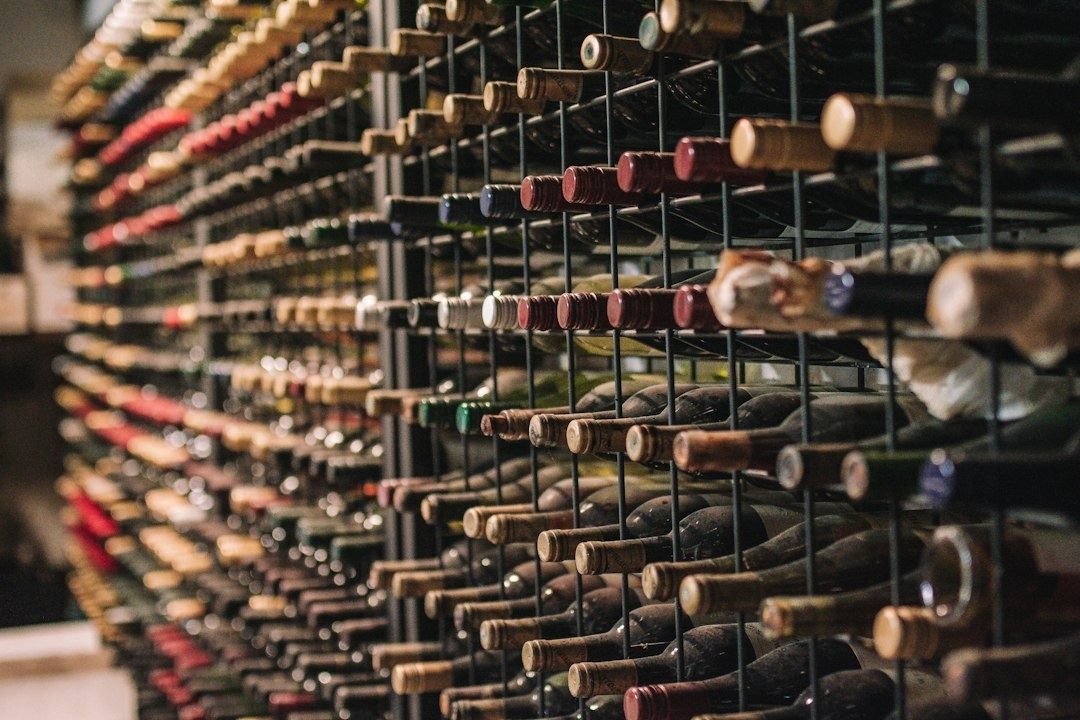
During aging, a wine”s acidity usually does not disappear. Instead, fruit aromas evolve, tannins polymerise and seem less aggressive, and the acid may appear more harmonious as the other components soften. A young wine can feel nervous, angular, or sharply citrus-driven; years later, the same acid may register as a fine, persistent line beneath savoury, dried-fruit, mineral, or tertiary aromas. The sensation changes because the entire matrix changes.
- Look for balance: High acidity is useful only when fruit, alcohol, texture, and concentration can support it.
- Assess the finish: A long, clean, refreshing finish is generally more informative than a single impression of sharpness.
- Consider the vintage: Warm years may produce softer acidity and fuller alcohol, while cool years may preserve more malic acid and tension.
- Check storage conditions: Even an acid-driven wine can deteriorate if exposed to heat, light, vibration, or repeated temperature changes.
- Allow for uncertainty: Aging is not a precise countdown. Experienced tasters disagree, and some wines remain on a mature plateau rather than following a predictable rise and decline.
When selecting bottles for extended cellaring, think in terms of structural harmony rather than acidity alone. A balanced Riesling, Champagne, Chablis, Barolo, or other age-worthy wine may retain freshness because acidity works alongside sugar, phenolics, concentration, and careful production. The key question is not “Does this wine have high acid?” but “Does the acid belong to the wine, and does it support a complete, persistent finish?”
Mastering the Language of Acidity at Your Next Tasting
Acid chemistry becomes useful when it is translated into repeatable observations. Instead of writing only “high acid,” record the type of sensation: tartaric precision, malic green-apple bite, or lactic roundness. Add notes about salivation, the location of tension, the length of the finish, and the way acidity interacts with sweetness, alcohol, tannin, and oak. This vocabulary makes bottle comparisons more accurate and buying decisions more confident.
At the next tasting, begin with the basic question of balance. Does the wine refresh rather than thin the palate? Does its acidity sharpen fruit or overwhelm it? Does the finish remain clean and energetic, or does it collapse into bitterness and heat? With practice, the distinction between refreshing tension, creamy softness, and aggressive sourness becomes clearer. That is the practical value of understanding tartaric, malic, and lactic acids: chemistry stops being an abstract laboratory subject and becomes a reliable guide to texture, structure, and a wine”s possible life in the cellar.

