
Separating Romance from Reality in Heritage Vineyards
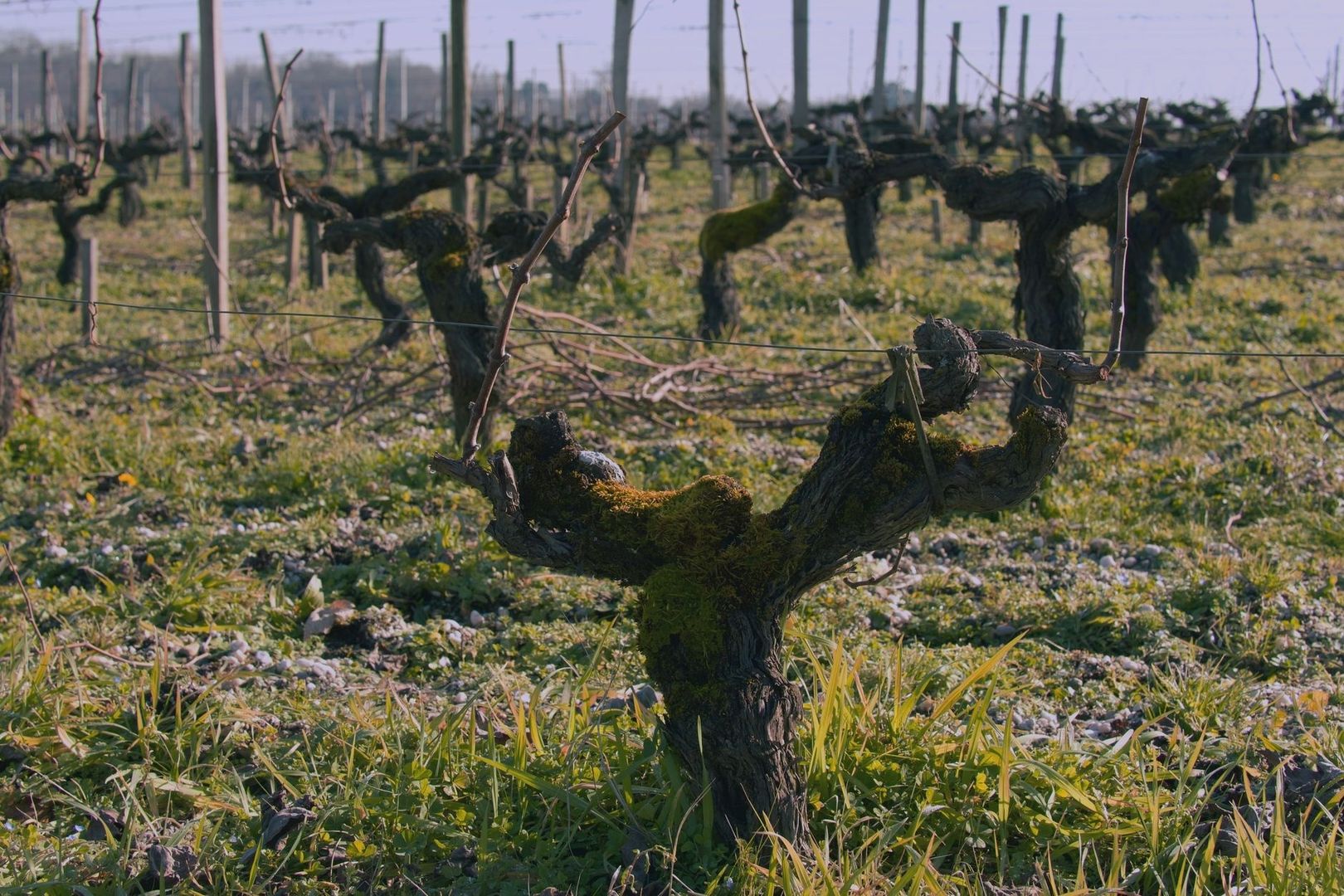
The phrase “old vines” carries immediate emotional weight. A bottle marked vieilles vignes, “old vine,” or “heritage vineyard” suggests twisted trunks, family continuity, scarce fruit, and a wine of unusual depth. Those associations are not entirely misplaced. Historic vineyards can preserve valuable genetic material, reflect distinctive sites, and connect a wine with agricultural practices that have survived for generations. Yet the visual drama of gnarled wood can easily become a substitute for evidence.
The key point is simple: vine age does not automatically produce sweeter grapes, heavier colour, or a denser wine. Age changes the plant”s structure and its relationship with water, carbohydrate storage, pruning, crop load, and seasonal stress. Those changes can create greater physiological stability and more consistent ripening, but they do not guarantee sensory perfection. This article examines what happens below ground, what controlled research has found in the glass, why age claims remain legally inconsistent, and how to assess an old-vine wine without surrendering judgement to romantic labelling.
The Physiology of Age and Root Architecture
A vine is a perennial system, not simply a collection of annual shoots. Over decades, its trunk, cordons, roots, and permanent wood accumulate structural capacity. Older plants may develop thicker trunks and a more extensive root system, with roots reaching deeper layers of soil when site conditions permit. This does not mean every old vine has deep roots. Soil depth, compaction, irrigation, rootstock, planting density, and the presence of competing vegetation all matter. Age creates the opportunity for deeper exploration, rather than guaranteeing a particular root architecture.
That distinction becomes especially important during drought. A young vine with a smaller root system may experience rapid changes in water availability after a hot, dry spell. A mature vine can sometimes draw on moisture from a larger volume of soil and buffer short-term fluctuations more effectively. The result is not necessarily more sugar or flavour concentration. It may instead be steadier stomatal behaviour, less abrupt loss of vine function, and a more even progression toward maturity. Understanding old-vine physiology helps separate this structural resilience from claims that age alone creates superior wine.
Permanent wood also stores non-structural carbohydrates, including starches and soluble sugars. These reserves help support budburst, early shoot growth, and recovery after stress, although their quantity and usefulness depend on crop load, leaf area, disease, pruning, and the season”s conditions. A large trunk is not an unlimited energy bank. Poor vineyard management can weaken an old vine, while a well-managed younger vine can perform extremely well.
- Rooting depth can moderate short-term drought stress when deeper soil layers retain usable water.
- Perennial reserves support early-season growth and recovery, but they are replenished through healthy leaves and balanced cropping.
- Natural crop regulation may emerge through smaller shoots, fewer viable buds, or uneven fruit set, although this is not universal.
- Stable ripening can reduce the impact of abrupt weather shifts without producing a more extractive wine.
Older vineyards are also often managed differently from young commercial blocks. Their irregular trunks may require manual pruning, and their mixed plant material can complicate mechanisation. Growers may preserve lower yields through traditional pruning rather than aggressive canopy manipulation. Conversely, a young vineyard can be deliberately restricted through pruning, shoot thinning, irrigation control, and regulated deficit irrigation. In practice, age is only one factor among many that determine crop balance and fruit composition.
What Empirical Research Reveals About Sensory Concentration
The most useful evidence comes from comparisons that control as many variables as possible. A study published in the American Journal of Enology and Viticulture examined California Zinfandel in an interplanted, dry-farmed vineyard over the 2019 and 2020 vintages. Researchers compared vines aged five to twelve years with vines aged forty to sixty years, alongside a control treatment representing the block”s mixed age profile.
The results challenged several familiar assumptions. The older vines produced more fruit, not less, averaging 13.37 tons per hectare compared with 6.52 tons per hectare for the young-vine treatment. They also produced approximately 3.7 kilograms more fruit per vine and more clusters per vine. Root distribution and overall architecture did not differ significantly between the age groups, but the older vines rooted more deeply. That combination is important because it shows why general statements about old vines should be treated cautiously. A mature vineyard may be more productive under particular conditions, even when popular narratives assume the opposite.
Wine chemistry also varied. Wines from young vines had lower pH, lower titratable acidity, and lower tannin concentrations than wines from older vines in the trial. Sensory assessors found that old-vine wines showed a broader range and greater intensity of complex aromas. The findings do not prove that every old-vine wine will be richer, darker, or more powerful. They suggest that, in this vineyard and these vintages, age was associated with a different chemical and aromatic profile, including a stronger sense of structural integration.
| Measure | What the Zinfandel trial found | Practical interpretation |
|---|---|---|
| Yield | Old vines averaged 13.37 tons per hectare; young vines averaged 6.52 tons per hectare | Old vines do not universally produce tiny crops |
| Fruit per vine | Old vines produced about 3.7 kilograms more fruit per vine | Vine age and low yield are not inseparable |
| Rooting | Older vines rooted more deeply, while broad root architecture differences were limited | Depth may help buffer water stress, but site remains decisive |
| Wine chemistry | Young-vine wines had lower pH, titratable acidity, and tannin levels | Older-vine wine may show greater structural presence |
| Sensory profile | Old-vine wines displayed broader and more intense complex aromas | Complexity is not the same as sweetness or sheer extraction |
This is a controlled comparison, not a universal law. It involved one California vineyard, one grape variety, two vintages, and specific dry-farming and management conditions. Other research has produced inconsistent results because vine age interacts with clone, rootstock, soil, climate, disease pressure, pruning, and yield. The responsible conclusion is therefore narrower and more useful: mature vines can contribute to balance, aromatic complexity, and resilience, but the evidence does not support the claim that old vines inherently make denser or sweeter wine.
Global Standards and the Legal Void on Wine Labels
One of the practical difficulties for consumers is that “old vine” has no single global legal definition. In many traditional European appellations, terms such as vieilles vignes may appear on labels without a universally enforced minimum age. A producer might use the phrase to indicate vines that are genuinely several decades old, while another might apply it more loosely to a block considered mature within that local context. The label alone may not reveal whether the age refers to every vine, a proportion of the blend, or the oldest parcel in a larger cuvée.
Some regions have created clearer voluntary frameworks. South Africa”s Certified Heritage Vineyards programme generally identifies vineyards planted at least 35 years previously and uses certification to communicate documented heritage status. Australia”s Barossa Old Vine Charter uses age categories that distinguish old, surviving, centenarian, and ancestor vines. These systems do more than provide marketing language. They encourage record keeping, verification, and the preservation of vineyards that might otherwise be uprooted for easier-to-farm alternatives.
International cataloguing is also developing. The Old Vine Conference supports a global network focused on identifying, preserving, and raising the profile of historic vineyards. Its Old Vine Registry has reported more than 4,000 vineyard entries from 39 countries, with vineyards planted in 1990 becoming eligible for inclusion when they reached 35 years of age. The registry”s purpose is not to claim that age guarantees quality. It is to make heritage vineyards visible, document their existence, and give growers and buyers a more reliable basis for discussion.
| Region or initiative | Indicative age threshold or approach | Why it matters |
|---|---|---|
| South Africa Certified Heritage Vineyards | Generally vineyards at least 35 years old, subject to certification | Provides a documented framework for heritage claims |
| Barossa Old Vine Charter | Uses defined age categories, including old vine and centenarian classifications | Recognises increasing historical and cultural significance with age |
| The Old Vine Registry | Global entries for vineyards more than 35 years old | Creates a public catalogue and supports research and preservation |
| Unregulated regional usage | May vary by producer or appellation | Requires consumers to ask how age has been verified |
A useful label should ideally identify the vineyard, planting date or age range, grape varieties, and whether the entire wine comes from the stated parcel. A transparent producer may also explain missing records, replanting, interplanting, or the proportion of younger vines. Those details are not pedantic. They distinguish a traceable heritage claim from an atmospheric phrase chosen mainly for its emotional appeal.
A Practical Guide to Spotting Genuine Quality in the Glass
Old-vine wine should not be judged by volume alone. A wine can be dark, sweet-smelling, high in alcohol, and heavily extracted while still lacking freshness or definition. Conversely, a mature-vine wine may be relatively moderate in colour and alcohol yet show remarkable persistence, layered aroma, and a fine-grained texture. The relevant question is not whether the wine feels massive. It is whether its components remain proportionate as the wine develops across the palate.
Look for mid-palate continuity rather than an opening burst of ripe fruit. Fruit concentration is often most obvious at the front of the palate, but genuine balance appears later, through the relationship between acidity, tannin, alcohol, flavour, and finish. Site expression and vintage transparency are equally important. A wine that changes noticeably across cooler and warmer years, while retaining a recognisable identity, may indicate that the vineyard is being expressed rather than masked by extraction, residual sugar, or new oak.
Before buying, ask a merchant or cellar-door team for information that can be checked. Useful questions include whether the stated age applies to the whole vineyard, when the parcel was planted, whether vines were replaced, which rootstock and varieties are present, and how the wine was vinified. Producers who value the vineyard can usually explain these points without presenting age as a magic ingredient.
- Read the label carefully. Identify the vineyard name, producer, region, vintage, and any certification or registry reference.
- Verify the age claim. Ask whether the date refers to the entire block, a percentage of vines, or selected old trunks within a younger planting.
- Assess the aroma beyond ripe fruit. Look for floral, herbal, savoury, mineral, dried-fruit, and spice notes that develop with air.
- Test the palate”s structure. Notice whether acidity remains active, tannin is proportionate, and alcohol supports rather than dominates the fruit.
- Focus on persistence. A long, coherent finish is more informative than a powerful first impression.
- Compare vintages when possible. Consistent site character with visible seasonal variation is a stronger signal than one spectacular bottle.
Winemaking can either reveal or obscure these distinctions. Heavy extraction, concentrated must additions, substantial new oak, or late harvesting can create an impression of density that has little to do with vine age. Neutral vessels, restrained extraction, and careful élevage may better preserve the quieter advantages of mature fruit, including texture, savoury detail, and aromatic complexity. No technique is automatically virtuous, but the closer the wine remains to its vineyard”s natural balance, the easier it is to assess what age has actually contributed.
Navigating Old-Vine Wines with Clarity and Confidence
The strongest case for old vines is not that they produce inherently sweeter or denser wine. It is that their established root systems, perennial reserves, and accumulated structural stability can help moderate climatic stress and support balanced ripening. In the California Zinfandel study, mature vines delivered higher yields and wines with greater aromatic complexity and structural differences, but the result depended on a particular vineyard and management system. That is precisely why age should be treated as evidence of potential, not as a guarantee of quality.
Old vineyards also matter beyond the bottle. They preserve genetic diversity, local farming knowledge, and landscapes that may be difficult or impossible to recreate once removed. When choosing an old-vine wine, favour growers who document their parcels, explain their definitions, and allow site and vintage to remain visible. Buy the wine because the producer demonstrates integrity and the bottle delivers balance, persistence, and character. Let the twisted trunk add context, not substitute for what is actually in the glass.

